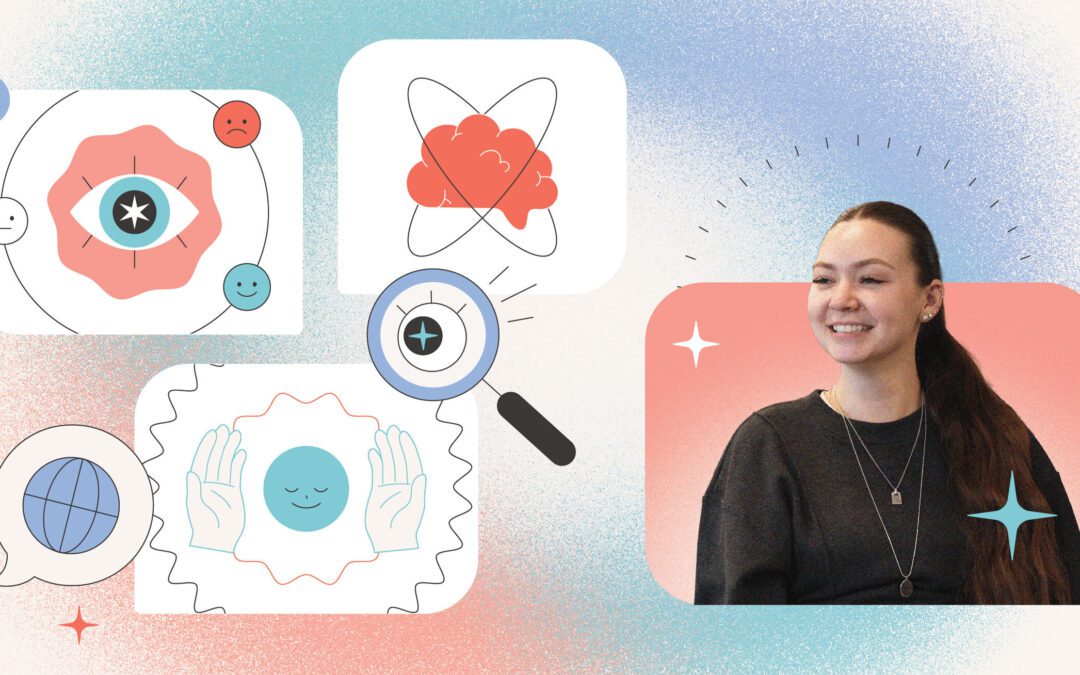
“I’m fascinated by the alignment between theory and application,” Christiansen shared. “I’ve always had a strong interest in uncovering how people understand themselves, and behavioral assessments are the tools to do that effectively and honestly.”
The answer is this: There isn’t actually a talent shortage. There’s an engagement and development problem causing the skill gap in organizations.
The good news? There’s a lot you can do to correct this issue while developing employees and finding the right talent for the right roles in your organization.
There’s a reason for that disconnect: poor team building. When leaders are more aware of their employees’ patterns, skills, and motivation, they can better align work responsibilities with team members’ strengths, align teams with the right insights to fully engage with their work, and build a culture that matters and lasts.
Using DISC for hiring can help you understand an applicant’s behavior, make better hiring choices, and build stronger teams.
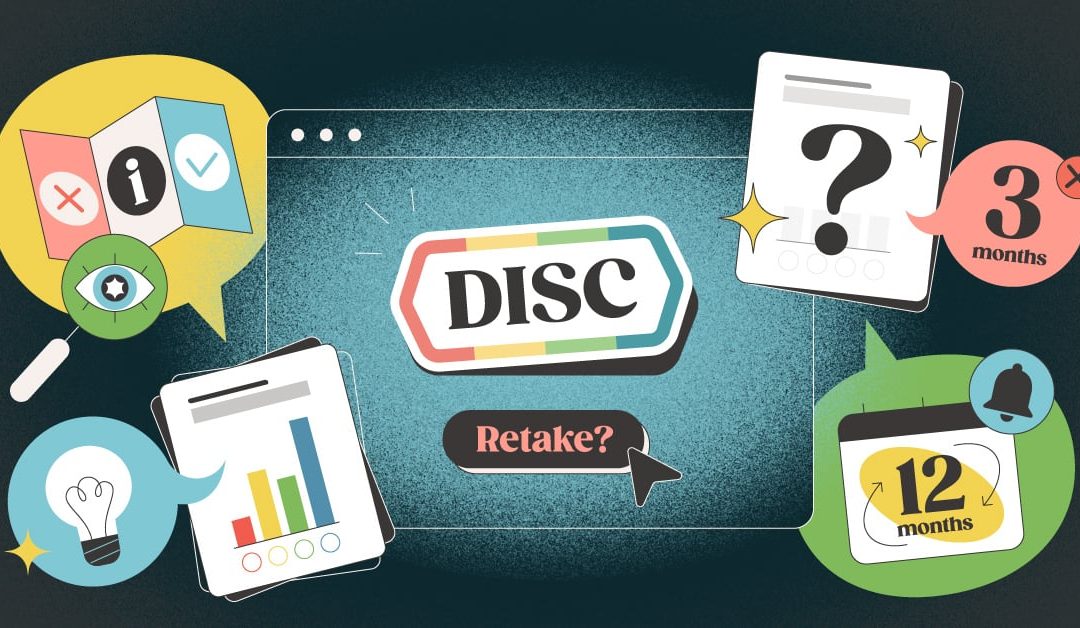
When you should retake the DISC assessment depends on where you’re at. Best practices? Taking the DISC assessment once a year or after major life events.
Supporting a multi-generational workplace can get complicated, but behavioral assessments can help motivate Millennials and Gen Z and build a successful organization.
The DISC workplace assessment is a key tool for understanding team behaviors. It helps teams work better together.
By demonstrating company values, asking and implementing employee feedback, and investing in your team, you can create trust that lasts.
When times are tough it can be tempting to reduce costs, but you may still need to grow your team. Here’s your guide to hiring in hard times!
Both TTI and the Predictive Index can help organizations make better people decisions. If your goal is quick, efficient hiring, PI’s simplicity might work well. But if you want to truly understand your people, build stronger teams, and develop leaders who thrive under pressure, TTI offers the depth, accuracy, and science to get you there.
Skills workers need in 2026 will be all about resilience, emotional intelligence, and the ability to be agile in the workplace.
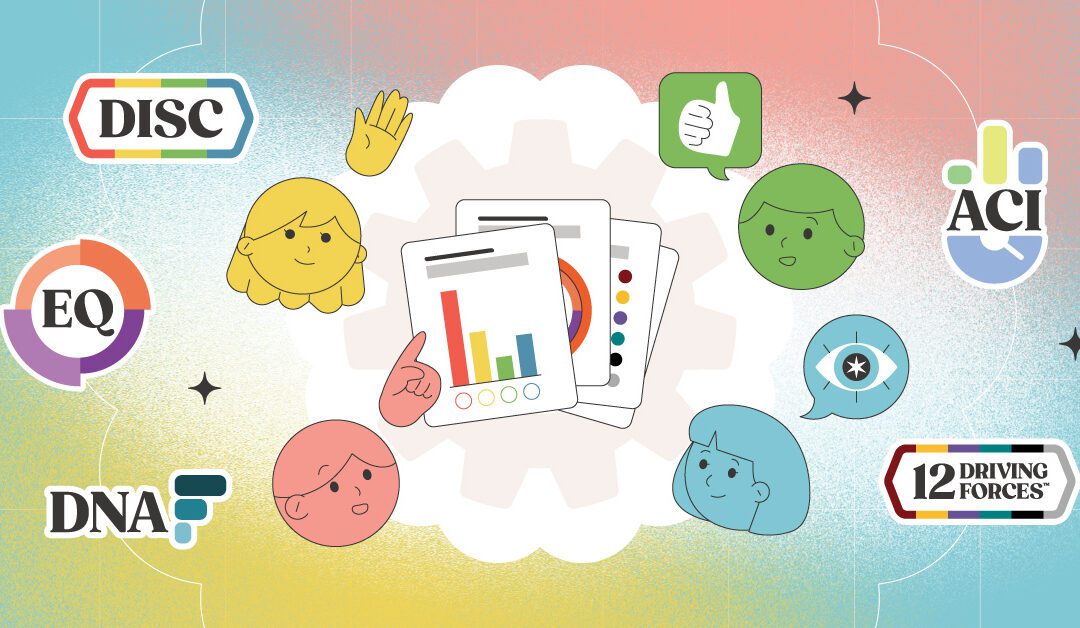
Organizations seeking real insight and measurable impact often find TTI’s multi-science approach superior. By connecting behavior with motivation, EQ, competencies, and acumen, TTI goes beyond describing people. It enables leaders to develop them.